.png)
Fall Prevention at Home: Small Changes That Can Help Seniors Stay Safer
Falls can happen in the blink of an eye, often during simple daily routines like getting out of bed or walking to the kitchen. For seniors, these falls can lead to serious injuries, loss of independence, and a lot of worry for family members. Helping an aging parent stay safe at home means understanding the risks and making small, practical changes that protect their well-being without taking away their freedom.

Common Fall Risks in the Home
Many falls happen because of hazards that might seem minor but become dangerous for seniors. Some of the most common risks include:
Loose rugs and mats that can slip or bunch up underfoot
Cluttered walkways filled with shoes, cords, or furniture
Poor lighting in hallways, staircases, and bathrooms
Wet or slippery bathroom floors
Stairs without sturdy handrails or with uneven steps
Items stored too high or too low, forcing awkward reaching or bending
Recognizing these risks is the first step toward creating a safer home environment.
Simple Fall Prevention Tips Families Can Use
You don’t need to make big renovations to reduce fall risks. Small changes can make a big difference:
Secure rugs with non-slip pads or remove them entirely
Keep walkways clear of clutter and cords
Add night lights in bedrooms, hallways, and bathrooms
Use non-slip mats inside and outside the bathtub or shower
Install grab bars near the toilet and in the shower
Encourage wearing supportive, non-slip shoes indoors
Store frequently used items at waist level to avoid stretching or bending
These adjustments help seniors move around with more confidence and less risk.
Why Bathroom Safety, Good Lighting, Clear Pathways, Supportive Shoes, and Grab Bars Matter
Bathrooms are one of the most common places for falls because they combine slippery surfaces with the need for balance. Grab bars provide steady support when sitting or standing. Good lighting helps seniors see obstacles clearly, especially at night. Clear pathways prevent trips over unexpected objects. Supportive shoes improve stability and reduce slips.
Together, these elements create a safer space that supports independence and reduces fear of falling.

Signs a Senior May Need Extra Support
Sometimes, seniors try to hide their struggles with balance or mobility. Watch for these signs that extra help might be needed:
Holding onto furniture or walls when walking
Moving slower than usual or shuffling feet
Avoiding stairs or certain rooms because they feel unsafe
Expressing feelings of unsteadiness or dizziness
Frequent requests for assistance with daily tasks
Noticing these signs early can prevent falls and help families plan for additional support.
How Families Can Talk About Safety Without Causing Embarrassment
Discussing fall prevention can be sensitive. Seniors may feel embarrassed or worry about losing independence. Approach the conversation with empathy:
Focus on safety and comfort rather than limitations
Share your concerns as a way to protect, not control
Involve your loved one in decisions about changes or support
Highlight how small adjustments can make life easier and more enjoyable
Offer reassurance that needing help is a natural part of aging
This respectful approach encourages cooperation and keeps family bonds strong.
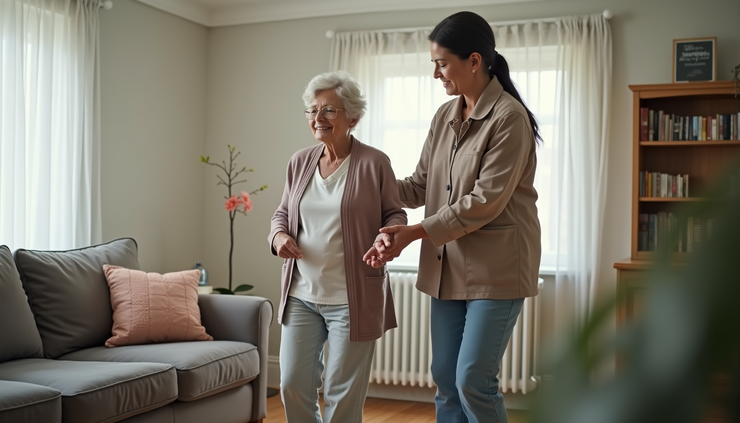
How Home Care Can Help Keep Seniors Safe
Professional home care services provide more than just companionship. They offer practical support that reduces fall risks and promotes well-being:
Assistance with mobility and safe transfers
Help with personal care like bathing and dressing
Light housekeeping to keep walkways clear and floors clean
Support with daily routines and medication reminders
Companionship that encourages activity and reduces isolation
Guardian Home Care in Fort Wayne, Indiana, is a trusted provider of compassionate in-home care. Their caregivers work closely with families to create personalized plans that keep seniors safe and comfortable in their own homes.
If you notice safety concerns or changes in your loved one’s mobility, reaching out for help can make all the difference. Small changes and the right support can help seniors enjoy their home with confidence and peace of mind.


Comments